Posted on Leave a comment

What’s the Difference Between a Flat and an Apartment in the UK? 

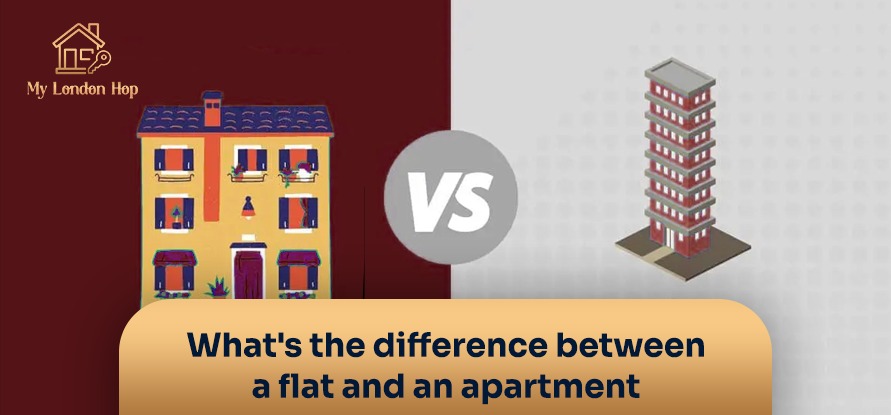
You may have noticed the words “flat” and “apartment” used in UK property listings. Sometimes they seem to mean the same thing. So, what’s the difference between an apartment and a flat in the UK? The two are very similar, but the difference is in how they are named, how they seem, and how people see them, not in their basic structure.

At mylondonhop, we look at these small but interesting differences that show both British culture and current property developments. This helps you understand UK housing better before you rent or buy.

Understanding UK Housing Terminology

The Origins of “Flat”

The word “flat” comes from the old Scottish word “flet,” which means “floor” or “dwelling.” In the past, British people used the word “flat” to mean a self-contained living space inside a bigger building, especially in places like London, Edinburgh, and Glasgow.

The Emergence of “Apartment”

The word “apartment” became more common later, thanks to how Americans and French people used it. In the UK, developers, estate agents, and marketers commonly use the word “apartment” to mean modern, stylish, or luxurious. For example, high-end city buildings or serviced lodgings featured on mylondonhop.

Flat vs Apartment: The Key Differences

Terminology and Regional Usage

In the UK, “flat” is the traditional term. Locals often say, “I live in a flat,” while “apartment” tends to appear in marketing materials or in upscale contexts. Essentially, both refer to self-contained units, but “apartment” carries a more posh or modern tone.

Property Size and Luxury Perception

People usually think of “flats” as basic or cheap units, whereas “apartments” are thought of as bigger, nicer, and better-equipped residences. For example, a block of flats might be home to people with middle-class incomes, whereas an apartment complex might have a concierge and a gym.

Architectural Layout

Flats are often part of older converted buildings or purpose-built social housing blocks, while apartments are found in modern high-rises or luxury developments with elevators and private balconies.

Ownership and Tenure

The legal status is the same; both might be leasehold or freehold. But owners of “apartments” may have to pay more for services because they have extra features like security, parking, or fitness centers.

How British English Differs from American English in Housing Terms

“Flat” in British English

In the UK, “flat” is widely accepted and doesn’t imply anything negative. You’ll find listings such as “2-bedroom flat in Kensington” or “studio flat near Oxford Circus.”

“Apartment” in American English

In the US, “apartment” is the standard term, regardless of luxury level. So, when Americans hear “flat,” they often picture something European or historical.

Historical Background: The Evolution of Flats in the UK

Victorian and Edwardian Era

Flats originally showed up in the late 1800s, when cities were developing rapidly. Rich Victorians sought city mansions that didn’t need as much upkeep as townhouses, which led to the building of lovely mansion blocks all across London.

Post-War Housing Boom

After World War II, Britain saw a huge demand for affordable housing, leading to a rise in council flats, functional, simple, and accessible to working-class families.

Modern Developments

The real estate market changed throughout the 1990s and beyond. The phrase “apartment” started to be used by developers to draw in professionals and investors. This changed the look of city skylines with glass buildings and luxury penthouses, which you can see in properties offered on mylondonhop.

The Rise of Luxury Apartments in Urban Areas

London’s Luxury Property Scene

Areas like Canary Wharf, Knightsbridge, and Chelsea showcase the modern definition of “apartment” with concierge service, underground parking, and panoramic views of the Thames.

Amenities That Define Modern Apartments

Apartments typically offer lifts, gyms, security, smart home features, and shared gardens, setting them apart from traditional flats.

Cost Comparison Between Flats and Apartments

Price Influencers

The worth of a property relies on where it is, how it looks, what it has, and how much demand there is for it. Both terminologies can be used to define related types of properties; however, “apartments” usually cost more per square foot because they are branded as luxury. You can see the difference when you look at listings on mylondonhop.

In cities like London, “apartments” can command higher rents — even for identical units — simply because of how they’re marketed.

Cultural Perceptions: Flat vs Apartment

What Locals Say

Most Brits see no difference they’ll casually say “flat.” The term feels more authentic and down-to-earth.

What Expats Think

Foreigners, especially Americans or Europeans, often perceive “apartments” as more modern and desirable, associating the word with premium living.

Common Types of Flats and Apartments in the UK

  • Studio Flat – A compact, single-room unit combining living, sleeping, and kitchen space, ideal for singles or students.
  • Maisonette – A two-story flat with its own private entrance, often compared to a mini-house.
  • Penthouse Apartment – A top-floor luxury unit offering exclusive views, high-end interiors, and private terraces.
  • Converted Flats – Older houses transformed into multiple living units are common in cities like Manchester, Bristol, and Edinburgh.

Location Matters: City vs Suburban Living

  • Flats in Central London – Think charming Georgian conversions or compact studio flats close to work and nightlife.
  • Apartments in Manchester, Birmingham, and Leeds – New-build developments dominate these cities, offering modern designs and premium facilities aimed at professionals.

Both flats and apartments can be owned in a choice of leasehold or freehold. But because the amenities are shared, apartment complexes sometimes have greater service and maintenance costs.

How Developers Market the Same Property Differently

To grab the attention of purchasers with more money or foreign investors, real estate agents usually change the name of a “flat” to “apartment.” Even when the building is the same, the word “apartment” makes it sound more upscale and important. This is a common topic on mylondonhop’s real estate insights.

  • Myth 1: Apartments are always bigger — not true; size depends on design.
  • Myth 2: Flats are old — many new developments are still called flats.
  • Myth 3: Apartments are only for the rich — there are budget apartments, too.

Tips for Choosing Between a Flat and an Apartment

  • Decide your priorities: Location, amenities, and budget.
  • Check service charges: Apartments often have higher monthly costs.
  • Inspect the building’s age: Older flats may need more maintenance.
  • Consider resale value: Apartments often attract investors and expats.
  • Don’t be swayed by labels: Focus on the property’s quality, not its name.

Conclusion

So, in the UK, what’s the difference between a flat and an apartment? Not much, practically speaking. The difference is in branding, style, and how people see them. “Flat” is a British word that has been around for a long time, but “apartment” is a new word that people like to use. No matter if you live in a flat in London or an apartment in Manchester, the most important thing is that it feels like home. At mylondonhop, we can help you locate that.
Posted on Leave a comment

What is a Studio Apartment

What is a Studio Apartment

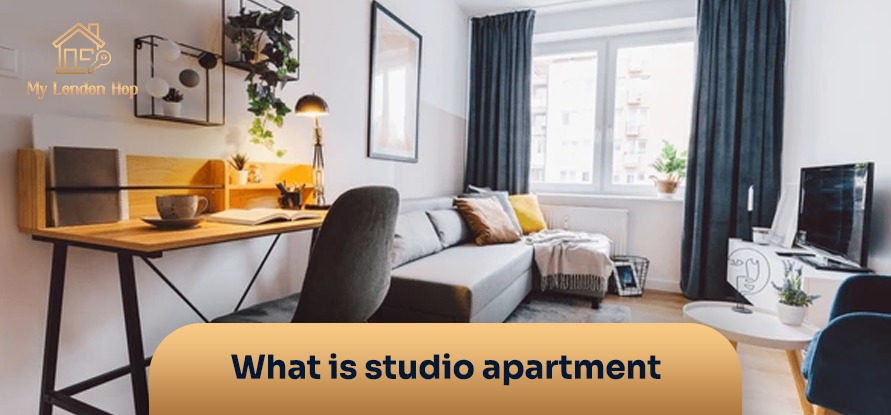
Have you ever wondered what a studio apartment is and why it’s such a popular term in UK housing? A studio apartment is a small living space that has everything you need in one open room, like a bedroom, living room, and kitchen. Look at it like your own little house where every square foot counts!

We help you understand modern UK housing options like studio flats at mylondonhop. This makes it easier for you to choose the appropriate place to live that fits your needs and budget.

Understanding the Concept

In the UK, a studio apartment usually has one big room that serves as a bedroom, living area, and kitchen, as well as a separate bathroom. The goal is to be efficient: you have everything you need close at hand.

Studios have an open layout, which makes them feel cozy and unusually useful. This is different from bigger flats that have barriers between rooms. MyLondonHop says that this design trend is very popular with tenants who want residences that are both trendy and inexpensive.

Key Features of Studio Apartments

  • Open-Plan Layout – The most defining feature, creating a seamless flow of space.
  • Multi-Functional Zone – One room acts as your lounge, bedroom, and kitchen.
  • Compact Bathroom – Usually located in a small enclosed corner for privacy.
  • Efficient Design – Every corner is optimized to maximize usability.

Studio Apartment vs. 1-Bedroom Flat

The biggest difference? Walls.

A 1-bedroom flat has separate rooms for sleeping and living, while a studio apartment merges them into one.

For example, in a London studio, you might cook dinner just a few steps from your bed. That might sound odd to some, but for others, it’s perfect.

  • Privacy: A 1-bedroom offers more separation.
  • Space: Studios are smaller but cozier.
  • Cost: Studios are often 20–30% cheaper than 1-bedroom flats in the same area.

At mylondonhop, we make comparing these housing types simple, so you can choose what fits your lifestyle best.

Average Size of Studio Apartments in the UK

In the UK, the average studio apartment ranges between 25 to 40 square meters.

  • In London, they can be as small as 20 sqm due to high demand.
  • In Manchester or Leeds, studios are often larger and more affordable.

Cost of Studio Apartments in the UK

Prices vary depending on location:

City Average Monthly Rent (2025)

London £1,400 – £2,000

Manchester £850 – £1,200

Birmingham £800 – £1,100

Leeds £750 – £1,000

Edinburgh £950 – £1,300

Rent prices are greatly affected by things like how close the property is to public transportation, how well it is furnished, and what amenities it has.

Visit mylondonhop, your trusted source for UK property information, for more information on current listings and prices.

Who Usually Lives in Studio Apartments?

Studio apartments cater to:

  • Students who want affordable, central accommodation.
  • Young professionals starting their careers.
  • Digital nomads who value minimalism.
  • Short-term renters visiting cities for work or travel.

MyLondonHop notes that it’s all about simplicity, location, and modern convenience.

Advantages of Living in a Studio Apartment

  • Affordable Rent – Live in a prime city area for less.
  • Low Maintenance – Cleaning takes minutes, not hours.
  • Energy Efficient – Smaller space = lower bills.
  • Stylish and Modern – Most studios in the UK are sleekly designed for urban living.

Plus, it encourages minimalism you’ll own only what you actually need.

Disadvantages of Studio Apartments

  • Limited Space – Not ideal for large furniture or guests.
  • Lack of Privacy – You eat, sleep, and work in the same room.
  • Storage Issues – Smart organization is a must.

Still, mylondonhop believes the pros outweigh the cons—especially in expensive cities like London.

Studio Apartments in London

London’s property market is one of the world’s priciest, and studio apartments offer an affordable entry point.

Popular areas include:

  • Shoreditch (modern and artistic vibe)
  • Canary Wharf (for professionals)
  • Kensington (luxury studios)

Rent typically ranges from £1,400 to £2,500, depending on proximity to the Tube and amenities.

Studio Apartments in Other UK Cities

  • Manchester – Trendy Northern Quarter studios around £1,000.
  • Birmingham – Affordable and central, starting from £850.
  • Leeds – Ideal for students and young professionals.
  • Edinburgh – Historic charm meets modern design, around £1,200 average rent.

These cities offer better value for money compared to London, often with larger spaces.

Tips for Decorating and Maximizing Space

  • Go vertical: Install shelves to use wall space.
  • Use mirrors: They make your studio look larger.
  • Choose multi-purpose furniture: Like sofa beds or foldable tables.
  • Keep it light: Neutral tones and natural light make it feel airy.

Use smart interior design to make your apartment feel like a stylish modern loft, according to mylondonhop.

Is a Studio Apartment Right for You?

Ask yourself:

  • Do you value independence over space?
  • Are you fine living minimally?
  • Do you prefer city convenience over room size?

If yes, then a studio apartment might be your perfect match.

Buying a Studio Apartment in the UK

Investing in studio flats can also be a good idea.Prices vary by city, but on average they are between £120,000 and £400,000.They work well for short-term rentals like Airbnb or rental income. However, mylondonhop says you should think about resale value, since not everyone likes living in a small space.

Conclusion

What is a studio apartment really?

This is a small, attractive, and effective way to live that is great for people who want something easy and cheap. Even though space may be tight, smart design and inventiveness make it a great alternative for modern city living.

If you’re renting your first home or buying property, mylondonhop can help you find the greatest studio apartments in the UK. They offer comfort, style, and ease of use all in one small space. 

Posted on Leave a comment

What Is a Duplex Apartment in the UK?

Have you ever considered what a duplex apartment is and why so many people in the UK want to live in one? We at mylondonhop can help you learn about all kinds of UK homes. Duplex apartments are changing the way people live in cities today. They give you the comfort of a house and the ease of an apartment complex.

Let’s look into what makes duplex apartments in the UK real estate market so unique.

Understanding the Concept of a Duplex Apartment

Definition of a Duplex Apartment

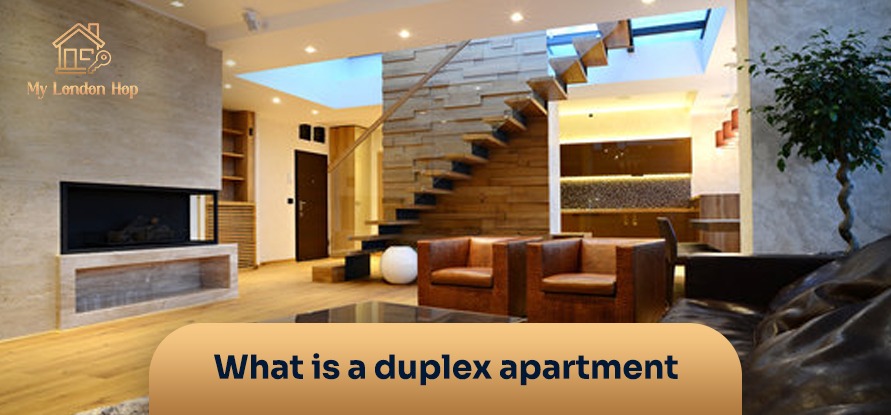
In the UK, a duplex apartment is a home that is spread out over two levels and has an internal stairway connecting them. It’s meant to provide people more room, privacy, and the feeling of living in a separate home while still being part of a larger complex. This is something that mylondonhop often talks about when it comes to modern city life.

Difference Between Duplex and Other Apartments

A duplex is different from a regular flat since it has more than one level. This makes it easy to tell the difference between living and sleeping rooms. It’s a mix of the best parts of apartments and houses. MyLondonHop thinks this is the best balance for city workers and families.

History of Duplex Apartments in the UK

Evolution of Modern Housing Designs

In the late 20th century, the idea of duplex apartments became more popular in the UK as developers looked for new methods to maximize limited city space without giving up comfort.

Influence of Urbanization on Duplex Living

As cities become more crowded, duplex apartments have become a stylish way for families and professionals to get more space and better layouts. This is something that mylondonhop often sees in big UK complexes.

Structure and Layout of a Duplex Apartment

The lower floor of a standard duplex has living rooms, a kitchen, and guest restrooms. The upper story has bedrooms and private bathrooms. Some duplexes have their own doors, while others have a shared entrance. The internal staircase offers architectural interest and separates living spaces, which is something mylondonhop talks about when they examine modern apartments.

Duplex vs. Maisonette: What’s the Difference?

Even though they sound the same, a maisonette normally has its own entrance from the street, while a duplex could share one. Duplexes are also more modern and are commonly seen in high-end projects, which is something mylondonhop shows off a lot in London and other major UK cities.

Advantages of Living in a Duplex Apartment

  • Privacy and Space: The multi-level layout creates clear zones between living and personal spaces.
  • Cost-Effectiveness: Duplexes offer house-like space at a fraction of the price, a great deal for those exploring a duplex apartment on mylondonhop.
  • Ideal for Families and Professionals: Flexible layouts suit various lifestyles, from remote work to family life.

Potential Drawbacks of a Duplex Apartment

Living on two stories could make it a little more expensive to keep the heating and lighting on. Also, walls that are shared can sometimes make noise, but modern designs, like those typically shown on mylondonhop, use soundproofing to keep noise to a minimum.

Types of Duplex Apartments in the UK

  • Single-Floor Split Duplex – A design that creates a layered effect within one level.
  • Ground and Upper-Level Duplex – The most common type, featuring a living area below and bedrooms above.
  • Luxury Duplexes – Found in areas like Knightsbridge and Battersea, offering premium finishes and stunning city views, often featured on mylondonhop.
  • London: High demand among professionals and expats, especially in Canary Wharf and Chelsea.
  • Manchester: Trendy duplex lofts in regenerated zones like Ancoats and Deansgate.
  • Birmingham & Edinburgh: Affordable duplex options ideal for first-time buyers — listings like these are often explored on mylondonhop.

The Cost of Duplex Apartments in the UK

Prices range from £250,000 in locations in the north to over £3 million in London. Design, facilities, and location are all important factors, and mylondonhop allows you to compare these things before you buy or rent.

Modern duplexes have open floor plans, simple decor, and stairs that float. MyLondonHop suggests using neutral colors and glass accents to let in as much natural light as possible.

Buying vs. Renting a Duplex Apartment

Buying a home gives you long-term stability and capital growth, while renting gives you flexibility. This is great for short-term professionals or students who want to learn more about duplex apartments through MyLondonHop’s housing guides.

Most duplex apartments are leasehold, mainly those in cities. Before making any changes, always check with your local council to see whether you need planning permission. This is something that mylondonhop tells every UK homebuyer to do.

Tips for Finding the Perfect Duplex Apartment

You can start your search on sites like Rightmove or Zoopla, or you could use mylondonhop to find verified estate agents who can help you find the best duplex apartments in the UK.

Conclusion

What does it mean to have a duplex apartment in the UK? It’s the best mix of apartment comfort with house-style comfort, making it a great choice for modern living. Mylondonhop helps you find the perfect duplex that fits your lifestyle and budget, whether you want to buy or rent.

Posted on Leave a comment

What Is a One Bedroom Apartment UK

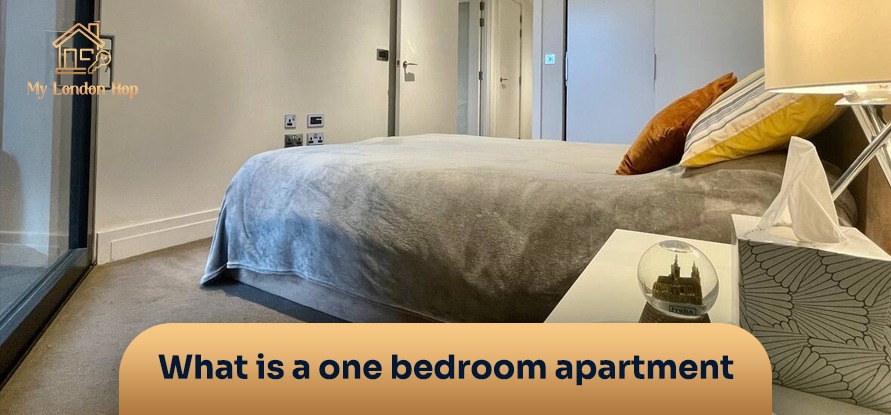
A one-bedroom flat in the UK has its own bedroom, living room, kitchen, and bathroom. At mylondonhop, we help you find and learn about the greatest one-bedroom apartments in the UK. Young professionals, couples, and retirees who want homes that are easy to take care of, economical, and in a good location often choose this sort of property. With the cost of living going up, these flats are the perfect mix of ease and luxury.

Understanding the Layout

We at mylondonhop know that having enough space and solitude is important while looking for a one-bedroom apartment.

Typical floor plan: Includes a private bedroom, a living/dining area, and a compact kitchen.

Average size: Usually between 45–60 square metres in major cities.

Layout type: Many modern UK apartments adopt open-plan layouts, combining the living and kitchen areas for a more spacious feel.

What’s Included in a One-Bedroom Apartment

Bedroom Features

The bedroom generally accommodates a double bed, a wardrobe, and sometimes an en-suite bathroom.

Living Room & Kitchen

The living area serves as the main social space, while the kitchen may be separate or open-plan with built-in appliances like an oven, fridge, and washing machine.

Bathroom Styles

Most one-bedroom apartments feature a modern bathroom with either a shower cubicle or bathtub.

Balcony & Storage

Some newer developments include private balconies, storage cupboards, or shared facilities such as bike storage.

Difference Between One-Bedroom and Studio Apartments

According to mylondonhop, the main difference is how the area is divided.

A studio apartment has an open space that includes the bedroom, living room, and kitchen. 

A one-bedroom apartment has a separate bedroom, which gives you more solitude and comfort.

  • Studio: Best for single tenants and minimalists.
  • One-bedroom: Better suited for couples or anyone who values defined spaces.

One-Bedroom Apartment Sizes Across the UK

The size of one-bedroom apartments varies depending on the city:

  • London: 45–55 m² (due to high property demand).
  • Manchester: 50–65 m² on average.
  • Birmingham: 48–60 m².
  • Other cities may offer larger layouts for similar prices.

Find the latest apartment size and pricing comparisons on mylondonhop.

Rent and Pricing Overview

Rental costs depend heavily on location, furnishing, and amenities.

City Average Monthly Rent (2025)

London £1,700–£2,500

Manchester £1,100–£1,600

Birmingham £950–£1,400

Leeds £900–£1,300

Glasgow £850–£1,200

Additional expenses include council tax, utilities, and sometimes service charges for maintenance.

Stay updated with real-time rental trends at mylondonhop.

Buying a One-Bedroom Apartment

One-bedroom flats are popular investment choices in the UK property market.

  • Average price (2025): £250,000–£400,000 depending on the area.
  • Ownership types: Most are leasehold, meaning you own the property for a set number of years.
  • Mortgages: Lenders often offer favourable rates for smaller units, especially in growing urban areas.

Explore buying guides and investment tips at mylondonhop.

Who Typically Rents or Buys One-Bedroom Apartments

  • Young professionals: Seek proximity to city centres.
  • Couples: Enjoy a manageable space with privacy.
  • Students & expats: Value affordability and convenience.

At mylondonhop, we help every type of renter or buyer find the perfect home.

Advantages of Living in a One-Bedroom Apartment

  • Affordable rent and bills.
  • Easy maintenance with less cleaning required.
  • Energy-efficient heating and cooling.
  • Urban accessibility close to transport, shops, and entertainment.

These flats are great for people who live in the modern world and value convenience. Mylondonhop makes it easy to find them.

Disadvantages to Consider

While practical, one-bedroom apartments have limitations:

  • Limited space for families or frequent guests.
  • Storage constraints.
  • Potential noise in high-density buildings.

But mylondonhop has recommendations for interior design and space management that can help you get the most out of small areas.

Furnished vs Unfurnished Apartments

A furnished apartment has all the basics, such as a bed, a sofa, and appliances. This makes it great for short-term renters.

An apartment without furnishings gives people who wish to make their room their own more options.

The demand for compact, affordable housing continues to grow.

  • Remote work has led people to prioritise comfort and flexibility.
  • Developers are introducing eco-friendly, space-efficient designs.
  • London and Manchester remain top hotspots for one-bedroom investments.

Tips for Finding the Perfect One-Bedroom Apartment

  • Set your budget, consider rent, utilities, and deposits.
  • Choosing the right area proximity to work and transport is key.
  • Check the lease terms and look for hidden costs.
  • Inspect before signing, evaluate condition and security features.

How to Maximise Small Spaces

  • Use mirrors to create the illusion of space.
  • Opt for multi-functional furniture sofa beds, foldable tables, and wall shelves.
  • Declutter regularly to maintain a fresh, airy atmosphere.
  • Choose light colours to brighten up the apartment.

Conclusion

A one-bedroom flat in the UK is the best choice for comfort, cost, and usefulness. Mylondonhop lets you make smart, sure decisions, whether you’re renting for the first time or buying a home. Your one-bedroom apartment can feel big, stylish, and like it’s really yours if you choose the right style and location.

Posted on Leave a comment

What Is a Lease Apartment in the UK? 

If you’re relocating to the UK or thinking about buying a home there, you could see the phrase “What Is a Lease Apartment” while looking for housing choices. But what does it really mean? In simple terms, a lease apartment is a property that you don’t own outright but have the right to live in or use for a set amount of time under a legal agreement called a lease.

We help tenants and purchasers at MyLondonHop understand what a lease apartment truly means. This way, they can make better choices, avoid hidden charges, and know their legal rights before signing any contract.

What Does “Lease Apartment” Mean?

A leasing apartment is a flat or unit that you rent out. The person who lives there owns the property for a set period of years, decades, or even centuries, but not the land it is on. The freeholder (or landlord) still owns the land.

On the other hand, a freehold property implies you own the building and the land forever. When looking at what a Lease Apartment is in the UK property market, it’s important to know the difference between the two. Mylondonhop will show you how to achieve this step by step.

How a Lease Works in the UK

A lease is a long-term rental agreement between the leaseholder (you) and the freeholder (the property owner).

It outlines:

  • The length of time you can occupy the property
  • Your rights and obligations
  • Rules for maintenance, repairs, and payments

When first given, leases usually last between 99 and 999 years. However, as time goes on, the lease period gets shorter, which can affect the value of the home. This is an important point that mylondonhop makes when talking to clients.

Types of Leases in the UK

  1. Short-Term Leases
  2. Usually last from 6 months to 2 years. These are common for renters and are flexible but offer less stability.
  3. Long-Term Leases
  4. Can extend for decades, often 99 years or more. Common when you buy a leasehold flat.
  5. Assured Shorthold Tenancy (AST)
  6. This is the most common lease type for renters, giving both the landlord and tenant specific rights under UK law.

If you’re not sure what kind of lease apartment is best for you, mylondonhop can help you compare different forms of leases before you choose one.

Leasehold vs. Rental – The Key Difference

A rental apartment is usually only for a brief time; you’re a tenant, not an owner.

A lease apartment, however, gives you ownership rights for a set number of years. You can sell, mortgage, or transfer your lease to someone else.

Think of it as “owning time” in a property rather than the property itself, a concept mylondonhop explains clearly to every client exploring what a rented apartment is in the UK.

Who Owns a Lease Apartment?

The freeholder owns the land, while the leaseholder owns the apartment for the length of the lease. The freeholder may levy service fees and ground rent to keep the building and common amenities in good shape.

Leaseholders also have to follow some rules. For instance, they may need authorization to make big changes or have pets. Before you sign, mylondonhop helps you know these terms.

How Long Is a Typical Lease?

Most new leases last 99, 125, or 999 years.

When the remaining term is less than 80 years, extending the lease becomes costly due to “marriage value.”

Always check before you buy, because the shorter your lease, the less your property is worth. MyLondonHop suggests that you read this carefully to get a clear picture of what a Lease Apartment is worth in real life.

Buying a Lease Apartment

When you buy a lease apartment, you’re purchasing the remaining years of the lease, not the land itself.

Before buying:

  • Check the lease length
  • Review ground rent and service charges.
  • Understand renewal rights

It’s very important to choose a lawyer who knows a lot about leasehold conveyancing. We connect you with reliable professionals at mylondonhop who make the procedure easy and clear.

Renewing or Extending a Lease

You can normally renew your lease if you’ve owned the property for at least two years. The steps in the extension procedure are:

  • Hiring a surveyor to estimate the cost
  • Serving a Section 42 Notice to the freeholder
  • Paying legal and administrative fees

Most extensions add 90 years to the lease and make the ground rent go down to $0. If you want to know what a lease apartment is and how it changes over time, mylondonhop can help you with that.

Ground Rent and Service Charges

Ground rent is the money you pay the freeholder for the land.

Service costs pay for the upkeep of common areas, including hallways, gardens, and elevators.

Before you sign the lease, always ask for a breakdown. Some landlords charge too much. mylondonhop helps shoppers find and avoid these hidden fees.

Advantages of Lease Apartments

  • Lower cost than freehold properties
  • Less responsibility for structural maintenance
  • Prime locations – most city-center flats are leasehold
  • Shared maintenance reduces stress.

Disadvantages of Lease Apartments

  • Limited ownership duration
  • Potentially high ground rent or service charges
  • Restrictions on alterations or subletting
  • Decreasing property value as the lease term shortens

mylondonhop provides detailed consultations so you can weigh the pros and cons effectively.

Lease Agreement Clauses You Should Know

Always review these clauses carefully:

  • Repairs and Maintenance: Who is responsible for what
  • Alterations: Whether you can make changes
  • Subletting: Permission requirements
  • Service Charges: Payment terms and disputes

How to Check Lease Terms Before Signing

Before you sign anything:

  • Review the lease document
  • Request the management pack.
  • Ask your solicitor to explain every clause in plain English.

Never rely solely on verbal promises from agents or landlords, a key piece of advice from mylondonhop.

What Happens When the Lease Ends

When your lease expires, ownership returns to the freeholder unless renewed or extended. You may:

  • Negotiate a new lease
  • Purchase the freehold (if eligible)
  • Sell before expiry

mylondonhop can help guide you through each of these options.

Tips for Tenants and Buyers

  • Always check remaining lease years
  • Ask about ground rent escalation clauses
  • Keep all communication in writing
  • Hire a leasehold specialist solicitor

Conclusion

In the UK, a lease apartment lets you reside in a property for a set amount of time without owning the land itself. It’s a good and cheap choice, especially in cities. But it’s important to know the conditions of your lease, the costs, and your rights to renew it so you don’t lose money and protect your investment.

If you want to know what a lease apartment is and how it affects your property journey, mylondonhop is the best place to go for clear, expert advice on leasehold properties in the UK.